
Epic Seven
Smilegate, Inc.Role Playing
4.228.44K Reviews
- Version
- 1.0.974
- Installs
- 10.00M
- Age Rating
- Teen
Screenshots
Our Review of Epic Seven
 Analysis by Appyee
I approached this game as a long-term hobby rather than something to finish in a weekend. That distinction matters: Epic Seven is a character-focused, turn-based role-playing game from Smilegate, Inc., and its appeal comes from spending time with its cast and learning how to build a team, not simply racing through battles. I’d recommend it most to players who enjoy anime-style presentation and thoughtful combat, and who are comfortable letting progress unfold over time.
What the purchase details tell you—and what they don’t
The game is free to download, with optional in-app purchases listed from $0.99 to $99.99 per item. That gives you a useful boundary for what spending can look like, but it doesn’t tell you what each purchase contains or how much value it offers. I would treat those prices as a reason to check each offer carefully, rather than assuming a purchase is necessary or automatically worthwhile. You can begin without paying, which makes trying the game a low-commitment way to see whether its style suits you.
Its Teen age rating is also worth keeping in mind if you’re choosing a game for a younger player. The rating is a practical starting point, not a substitute for deciding whether the game’s themes and spending options fit your household. The current version is 1.0.933, and it requires Android 8.0 or later on Android devices. The game has a 4.2 average from around 515,000 ratings, alongside roughly 28,000 written reviews and more than 10 million installs. Those figures suggest a large audience, though popularity alone can’t tell you whether its pace or purchase model will suit you.
Progress works best when you set your own pace
As with many character-collecting mobile RPGs, it helps to think about what you want from each session. I wouldn’t approach every login as a demand to clear every mode or strengthen every available hero. Pick a manageable aim—advance the story, improve a team you already like, or learn a battle matchup—and stop when that feels satisfying. This makes the game easier to fit around work, study, or a short break, and it reduces the temptation to spend just because progress feels slower than you hoped.
A useful habit is to focus your attention instead of spreading it thinly. Before investing in a new character, ask whether that hero fills a role your current team actually needs and whether you enjoy using them. A broad roster can be exciting, but collecting options and building a dependable group are different goals. If you prefer steady, visible progress, concentrating on a small core can feel more rewarding than constantly chasing the next addition.
Fairness is a personal question, not a promise
The game includes PvP and guild battles, so players who care about competition may naturally wonder how spending affects their chances. The purchase range confirms that optional paid items exist, but it doesn’t establish how purchases translate into competitive strength, how matchmaking works, or whether a particular mode feels even-handed. I wouldn’t claim that the game is either fully pay-to-win or perfectly balanced without those details. If fairness is central to your enjoyment, try the competitive modes at your own pace and judge the experience you actually have before investing money or making them your main reason to play.
That distinction also helps set expectations: a game can be enjoyable for story, character-building, and casual play even if its competitive environment is not the right fit for every player. You don’t have to treat every mode as a measure of progress. If PvP starts to feel like an obligation, leaning into the parts you enjoy—or taking a break—can be a better choice than spending to keep up.
Who should give it a try
I think this is a strong match for someone who likes turn-based team decisions, anime-inspired art, and a story-led RPG that can be played in shorter visits. It’s less suitable if you want a self-contained game with a clear ending, dislike managing a growing roster, or expect every competitive system in a free-to-play RPG to feel equally welcoming. Players who want immediate action may also prefer an action RPG, where timing and direct control matter more than choosing moves in turns.
Compared with a conventional console-style role-playing game, this is built around returning to a mobile game and developing characters over time rather than completing one finite campaign and moving on. Compared with other mobile RPGs, its turn-based structure makes planning the draw; it won’t satisfy someone who mainly wants real-time combat. Before committing, ask yourself whether you enjoy the loop of choosing a team, adjusting it, and trying again. That answer is more useful than the size of the roster or the number of available modes.
Small choices that make a session easier
For a realistic weekday routine, I’d use one short session to advance the story or tackle a specific battle, then leave broader team-building for a moment when I can pay attention. Turn-based combat is a good fit when you can’t give a game uninterrupted action-focused attention, but the strategic choices still reward focus. If I were returning after a few days away, I’d first check which goal matters most to me instead of trying to catch up on everything at once.
Another practical tip is to keep notes on why a team succeeds or struggles: perhaps a battle exposes a weakness in your lineup, or a character’s abilities fit a particular plan better than expected. That kind of observation can make experimentation feel purposeful without turning every session into a research project. It also helps you avoid investing in a hero simply because they are new to you. The trade-off is that careful team-building takes patience; players who want the game to make every decision for them may find that layer tiring.
Some questions are best answered through your own first sessions. Do you enjoy the story enough to keep returning? Does building a team feel satisfying, or like preparation standing between you and the action? Are the optional offers easy for you to ignore? I’d use those as personal checkpoints before spending or making guild and PvP play a priority. Since the listed purchase range alone can’t answer questions about value, competitive balance, or how quickly a particular player progresses, I’d avoid budgeting around assumptions.
One further trade-off is attention: a wide set of modes can give you choices, but it can also make a new player feel as if there is always another task to do. I’d treat that variety as a menu, not a checklist. Pick the story or activity you enjoy most, learn its rhythm, and add other modes only if they genuinely improve your experience. That approach keeps the game’s breadth from becoming pressure.
For readers deciding between this and a more traditional single-player RPG, the key difference is the ongoing character-building focus. A finite RPG may be better if you want a defined journey and a natural stopping point. If you like returning to familiar heroes, refining a team, and making tactical choices in turn-based encounters, this format is more likely to hold your interest. Neither preference is wrong; they simply lead to different kinds of play.
The game’s free entry point makes it reasonable to test that fit before buying anything. I’d start with the story and a team I enjoy, then see whether the strategic layer stays fun after the initial novelty fades. If the core loop clicks, optional purchases remain a choice to assess individually; if it doesn’t, spending is unlikely to fix the mismatch.
Immersive Storyline and Characters
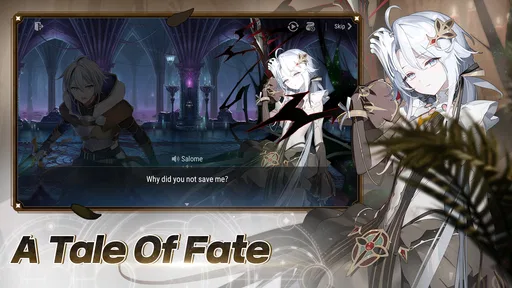
Epic Seven brings to the table a rich storyline that’s as captivating as it is intricate. From the moment you start, you’re thrown into a world where every choice feels monumental. The narrative is filled with twists, keeping you on the edge of your seat. The developers have done a stellar job in crafting a universe that feels alive and full of mystery.
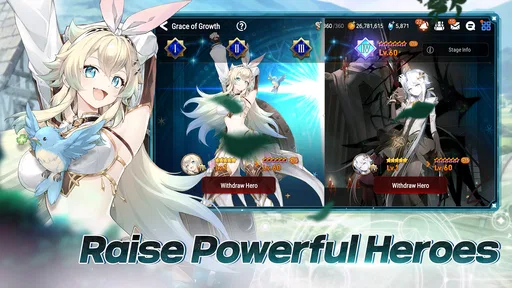
Now, let’s talk characters. You get to meet a plethora of heroes, each with their own backstory and unique abilities. Whether you’re a fan of the noble knights or the mysterious mages, there’s something for everyone. I found myself particularly drawn to the character customization aspect. It’s not just about leveling up; it’s about strategically enhancing your heroes to fit your playstyle.
Visuals and Soundtrack
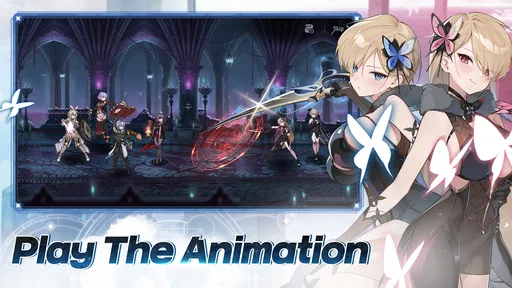
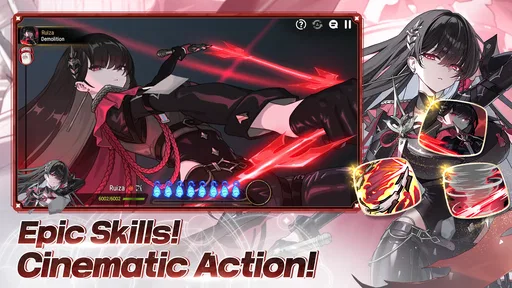
One of the first things that caught my eye was the stunning artwork. I mean, this game is a visual masterpiece! The anime-style graphics are bright, colorful, and extremely detailed. You can tell a lot of love and effort went into designing each frame, making every battle scene a treat to watch.
Alongside the visuals, the soundtrack deserves a shout-out. The music in Epic Seven is nothing short of epic (pun intended). It complements the gameplay perfectly, elevating the overall experience to new heights. Whether you’re in the heat of battle or exploring new territories, the music sets the perfect tone.
Gameplay Mechanics
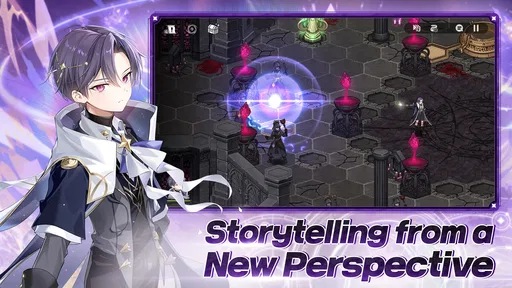
Let’s dive into what makes Epic Seven tick—its gameplay. It’s a turn-based RPG, which might sound familiar, but the depth here is noteworthy. The strategic elements involved in battles make every encounter feel fresh and challenging. You’ll need to carefully select your team, taking into account the strengths and weaknesses of each character.
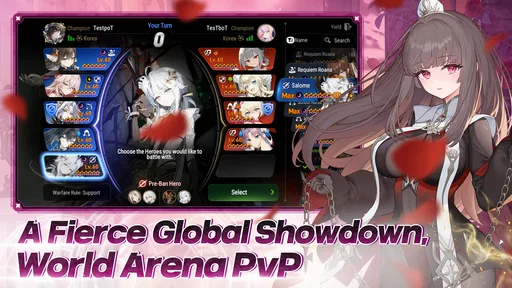
Additionally, the game offers various modes to keep you entertained. Whether it’s the PvP arena, the labyrinth explorations, or the epic guild battles, there’s always something to do. Each mode has its own set of challenges, ensuring you’re never bored.
Community and Updates
One thing that I find incredibly appealing is the vibrant community around Epic Seven. There are forums, fan art, and even community events that make you feel part of something bigger. The developers are also quite active, regularly rolling out updates and new content. This commitment keeps the game fresh and engaging for both new and veteran players.
There’s also a dedicated subreddit and Discord channel where players share tips, strategies, and even memes. It’s a fantastic way to connect with fellow adventurers and learn new tricks.
Monetization and Accessibility
Of course, as with many mobile games, there’s a monetization aspect. While you can certainly enjoy the game without spending a dime, there are in-app purchases available for those looking to enhance their experience. It’s a balanced approach, and I never felt pressured to spend money to progress.
On the accessibility front, the game is available on both Android and iOS, making it easy for anyone to jump in. The interface is intuitive, and the tutorials are helpful for newcomers, which is always a plus in my book.
My Bottom Line
In conclusion, Epic Seven offers a rich and immersive experience that’s hard to put down. With its engaging storyline, stunning visuals, and strategic gameplay, it’s no wonder this game has captured the hearts of many. Whether you’re a hardcore RPG fan or just looking for a new adventure, this might just be the game for you. Give it a try, and prepare to be swept away into a world of epic battles and heroic quests!
Verdict
Strengths of Epic Seven
- Stunning graphics with detailed animations.
- Engaging storyline with rich character development.
- Frequent updates and new content.
- Strategic combat system with diverse heroes.
- Active community and developer support.
Limitations of Epic Seven
- Steep learning curve for new players.
- Gacha system can be frustrating.
- Resource grind can be time-consuming.
- Requires stable internet connection.
- Limited inventory space without purchases.
Other Releases by Smilegate, Inc.
View All
Chaos Zero Nightmare
Role Playing4.5
Similar Picks in This Category
View All
Hair Dye
CrazyLabs LTD4.4

Monster High™ Beauty Salon
CrazyLabs LTD4.5

Bus Simulator - Bus Games 3D
Jima Apps4.4

Flight Pilot: 3D Simulator
Wildlife Studios4.1


Super Stylist Fashion Makeover
CrazyLabs LTD4.4
Frequently Asked Questions
What is Epic Seven about?
Epic Seven is a visually stunning mobile RPG that combines strategic turn-based combat with a compelling storyline. Developed by Smilegate Megaport, the game features a rich fantasy world filled with diverse characters, each with unique skills and abilities. Players embark on an epic journey to save the world of Orbis from impending doom.
Is Epic Seven free to play?
Yes, Epic Seven is free to download and play on both Android and iOS platforms. While the game offers in-app purchases, these are optional and are primarily used for acquiring additional resources, characters, or cosmetic items to enhance the gaming experience. Players can enjoy the full storyline without spending money.
What are the system requirements for Epic Seven?
Epic Seven requires an Android device running version 4.4 or higher, or an iOS device with iOS 9.0 or later. The game is optimized for both smartphones and tablets, but a device with at least 2GB of RAM is recommended for smooth gameplay. Ensure you have enough storage space for updates and new content.
Does Epic Seven have a multiplayer mode?
Yes, Epic Seven features several multiplayer elements, including PvP (Player vs Player) battles in the Arena, where players can compete against others globally. Additionally, there are Guilds that allow players to collaborate, participate in Guild Wars, and tackle challenging co-op missions together, enhancing the social aspect of the game.
How does the gacha system work in Epic Seven?
Epic Seven incorporates a gacha system for summoning heroes and artifacts. Players can use in-game currency or real money to summon new characters and items. The system is based on chance, with different rates for various tiers of heroes. Understanding the gacha rates can help players make informed decisions about their summons.
Play our best games!


